Tutorials, insights, and guides
Network debugging, API mocking, and building development workflows for humans and AI agents.
Latest

Why Your AI Coding Agent Needs Network Visibility
AI coding agents are excellent at reading code. They cannot see the network. That gap is where most agent-assisted debugging sessions get stuck. Here is how to close it.

Why Local-First API Tools Are Winning
A wave of developers is moving away from cloud-hosted API tools. Pricing changes, data sovereignty concerns, and the rise of CLI-native workflows are driving a shift toward tools that live on your machine and sync through Git.

What is API Mocking? A Developer's Guide
API mocking lets you simulate a real API without calling it. This guide explains what it is, why developers use it, when to mock vs when not to, and how to get started in under five minutes.
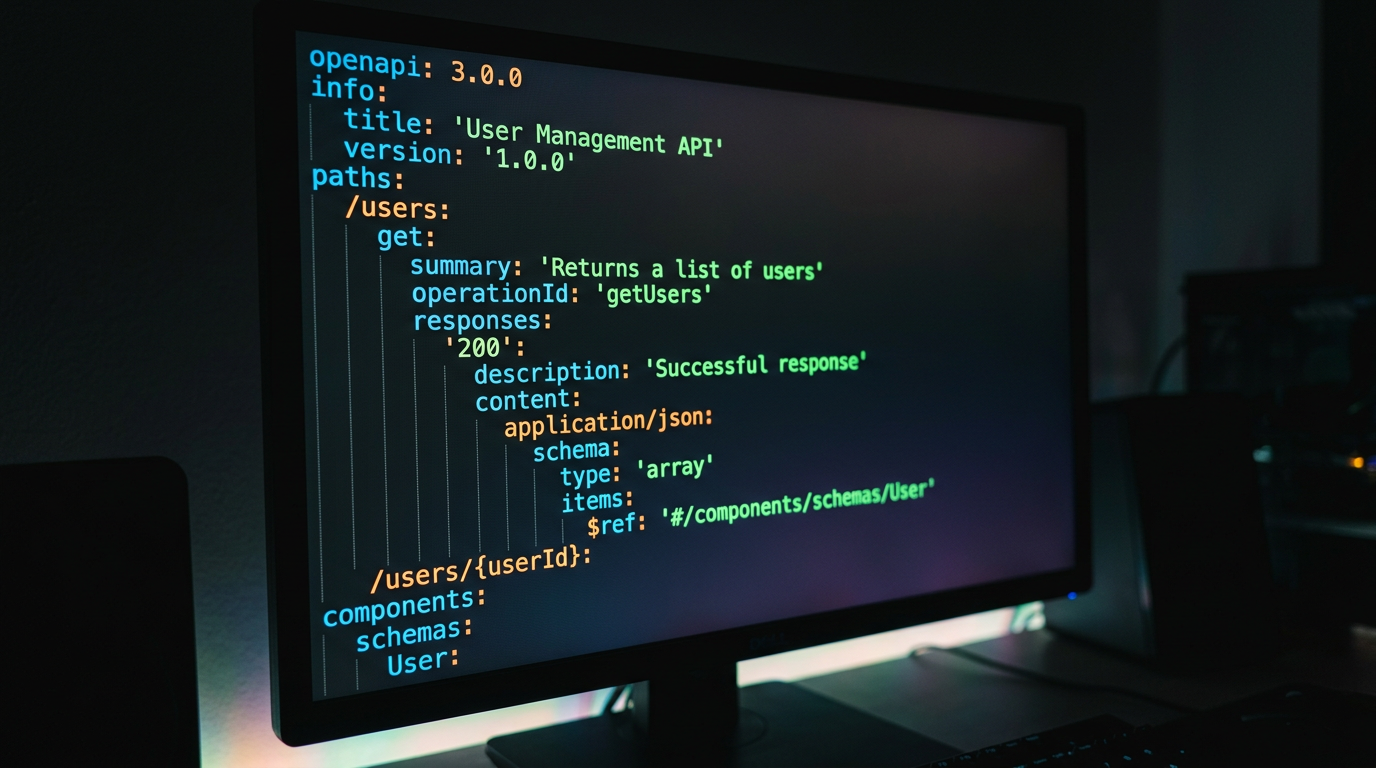
How to Validate API Contracts with OpenAPI and APXY
Import an OpenAPI spec into APXY and validate your live traffic against it. Find requests your code sends that don't match the spec — before they become production bugs.
Token Optimization: Fitting API Traffic into Your AI Agent's Context Window
Raw HTTP traffic is verbose. A single request-response pair can consume thousands of tokens. APXY's output formats compress traffic by 60–90% while keeping the information your agent actually needs to diagnose issues.

The Real Cost of Flaky API Tests
A test that sometimes passes and sometimes fails is not a test -- it is noise. Here is what flaky API tests actually cost your team, and what to do about it.

Dynamic API Responses: Scripting with JavaScript in APXY
Static mock rules return the same response every time. When you need to inject dynamic data, modify responses conditionally, or simulate real API behavior like rate limiting, APXY's JavaScript scripting engine handles it.
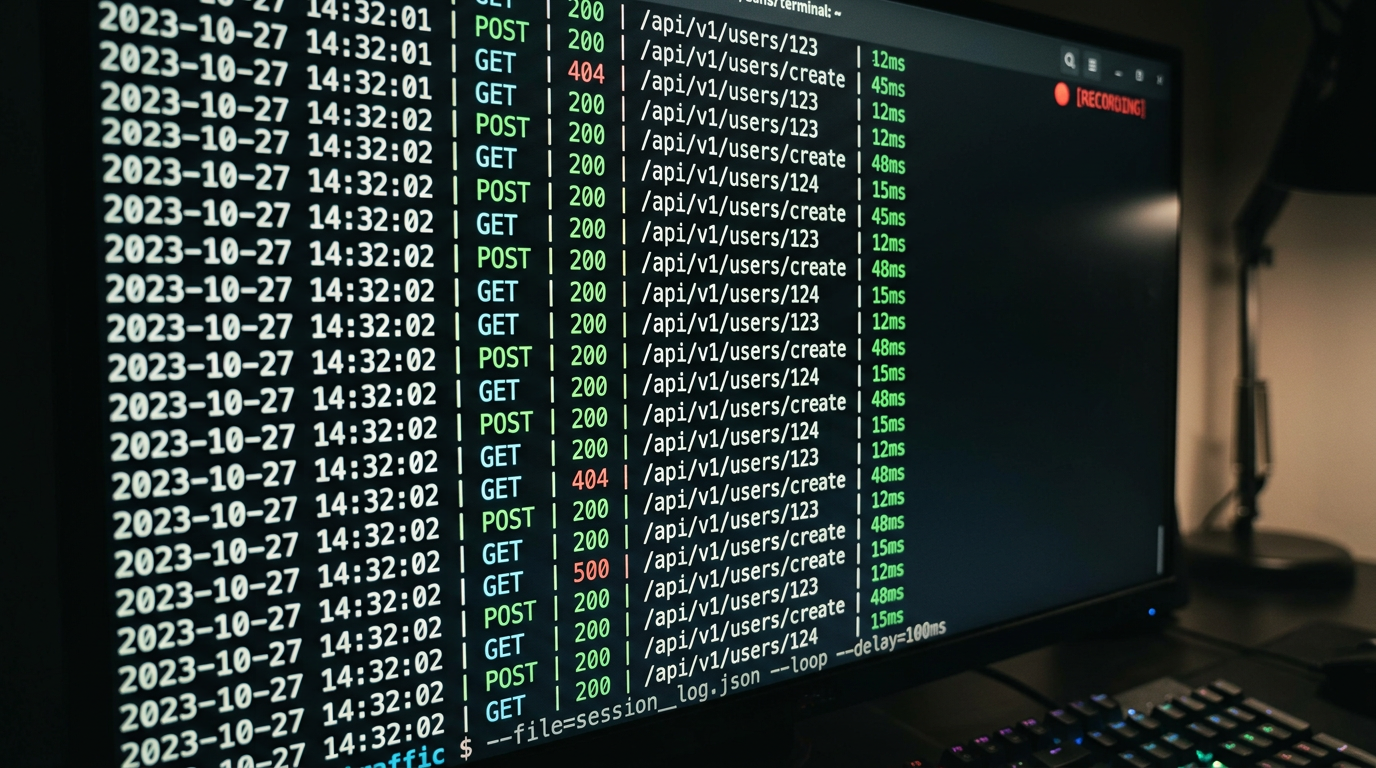
Record and Replay API Traffic for Regression Testing with APXY
Record real API traffic once, convert it to mock rules, and replay those exact responses against future code changes. Catch regressions before they reach production without maintaining a live test environment.

HTTP Status Codes Explained for API Developers
A practical reference to HTTP status codes for developers who build and debug APIs. What each code means, when APIs return it, and how to respond to it in your code.

How to Mock a REST API in 5 Minutes with APXY
Create a fully functional mock REST API in under five minutes. No code, no config files, no server to maintain. One command to install, one command to add a rule.

From Postman to Proxy: When API Testing Needs Network Evidence
Postman is great for constructing requests manually. It does not tell you what your application actually sent. When the bug is between your code and the network, you need a proxy.

Debugging Webhooks Locally with APXY
Webhooks are notoriously hard to debug locally. APXY lets you intercept incoming webhook payloads, inspect them in real time, replay them without retriggering the source, and mock the endpoint for automated testing.
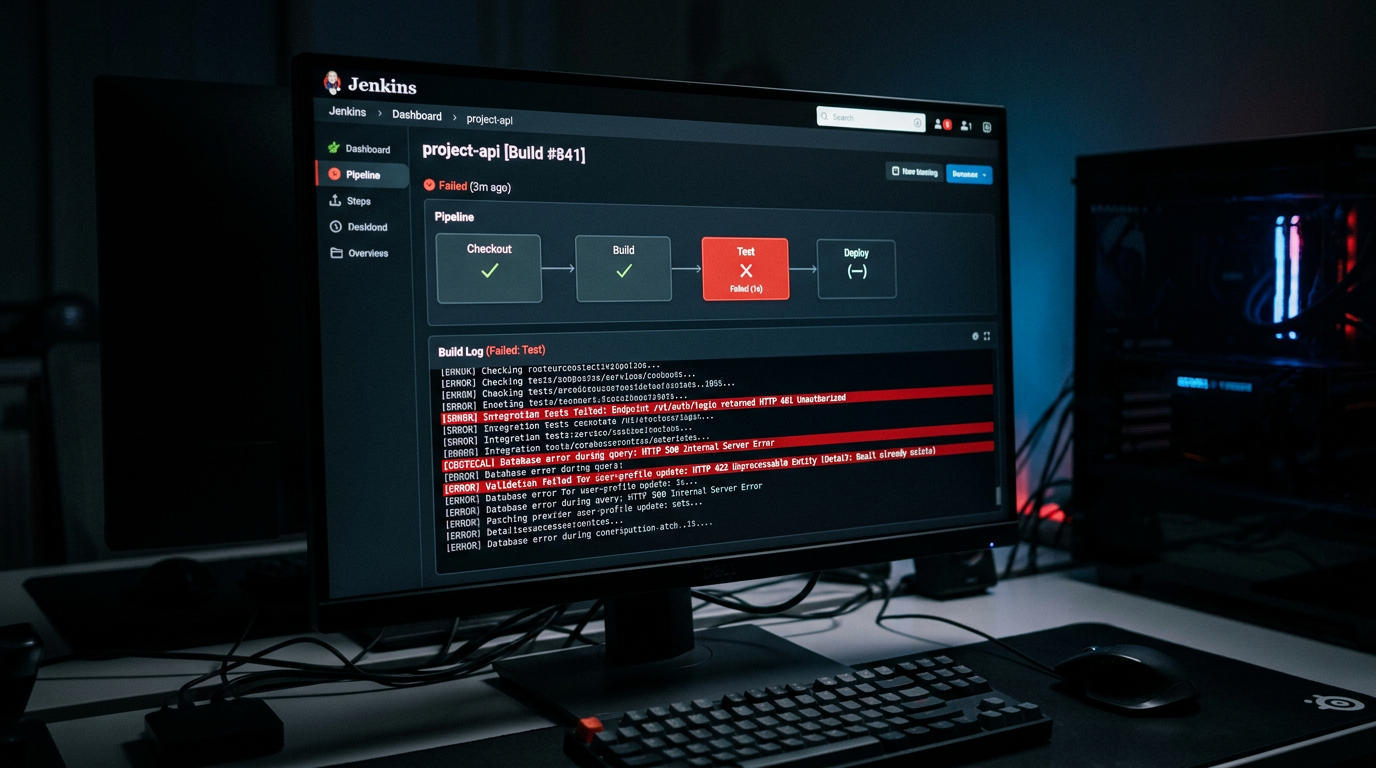
How to Debug API Errors in CI/CD Pipelines with APXY
API test failures in CI are notoriously hard to debug. You cannot reproduce the environment locally, logs are incomplete, and re-running the pipeline costs time. Running APXY alongside your test suite captures the exact traffic that caused the failure.

How to Debug API Calls Made by Cursor
Cursor writes code that calls APIs. When those calls fail, you can't debug what you can't see. This tutorial shows the exact workflow for capturing, inspecting, diffing, and replaying real API traffic from Cursor-generated code.

How to Capture HTTPS Traffic from Cursor, Claude Code, and AI Coding Agents
AI coding agents make real API calls behind the scenes. Here is how to route Cursor, Claude Code, and other AI tools through APXY so you can see exactly what they are sending and receiving.
APXY vs mitmproxy: When You Need More Than Interception
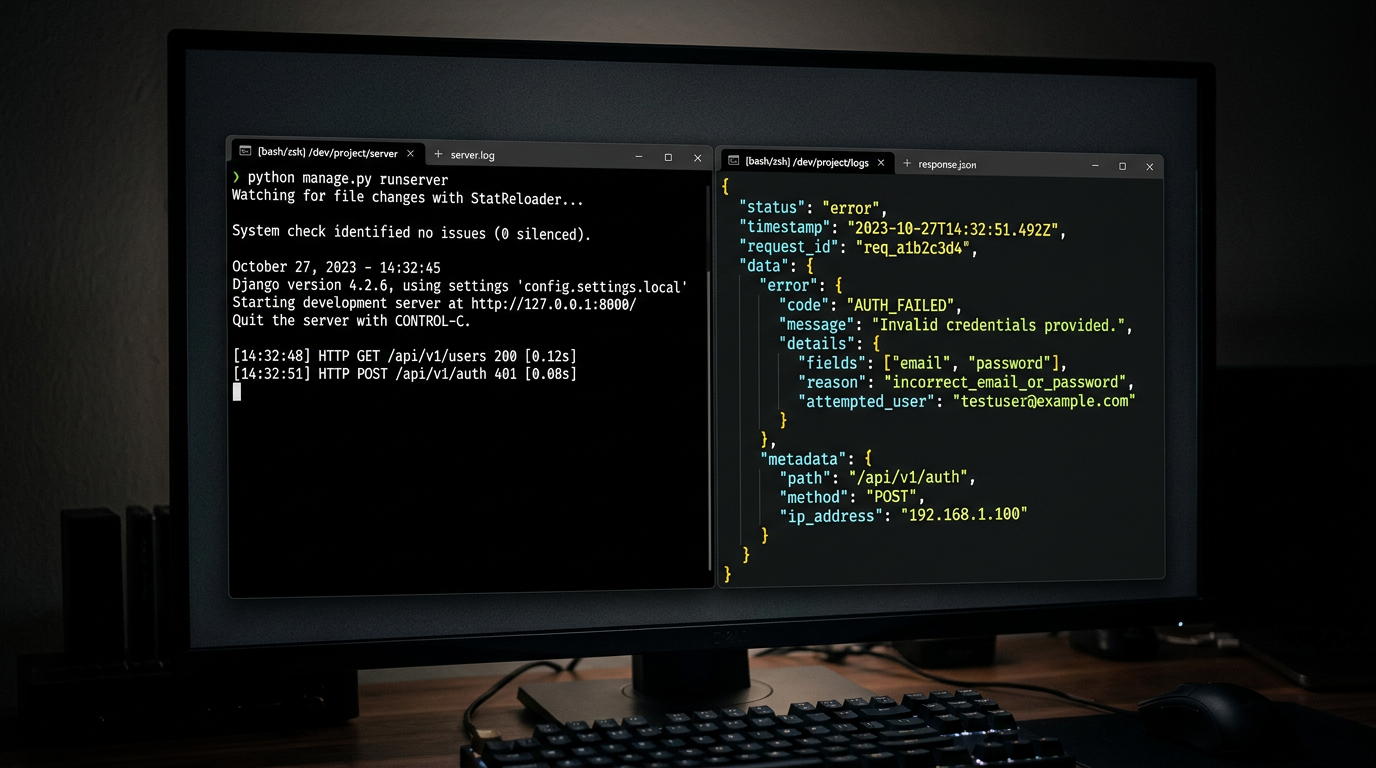
mitmproxy is one of the best open-source tools for HTTPS interception. But it stops there. If you also need mocking, a Web UI, or a workflow built for AI-assisted development, the tool gap becomes real.
Tutorials
8Dynamic API Responses: Scripting with JavaScript in APXY
Static mock rules return the same response every time. When you need to inject dynamic data, modify responses conditionally, or simulate real API behavior like rate limiting, APXY's JavaScript scripting engine handles it.
Record and Replay API Traffic for Regression Testing with APXY
Record real API traffic once, convert it to mock rules, and replay those exact responses against future code changes. Catch regressions before they reach production without maintaining a live test environment.
How to Mock a REST API in 5 Minutes with APXY
Create a fully functional mock REST API in under five minutes. No code, no config files, no server to maintain. One command to install, one command to add a rule.
How to Debug a Failing API Call with APXY
A step-by-step walkthrough of the capture-inspect-replay loop. Learn how to track down a failing HTTP request, understand exactly why it failed, and prove your fix worked.
Debugging Webhooks Locally with APXY
Webhooks are notoriously hard to debug locally. APXY lets you intercept incoming webhook payloads, inspect them in real time, replay them without retriggering the source, and mock the endpoint for automated testing.
How to Debug API Errors in CI/CD Pipelines with APXY
API test failures in CI are notoriously hard to debug. You cannot reproduce the environment locally, logs are incomplete, and re-running the pipeline costs time. Running APXY alongside your test suite captures the exact traffic that caused the failure.
How to Debug API Calls Made by Cursor
Cursor writes code that calls APIs. When those calls fail, you can't debug what you can't see. This tutorial shows the exact workflow for capturing, inspecting, diffing, and replaying real API traffic from Cursor-generated code.
How to Capture HTTPS Traffic from Cursor, Claude Code, and AI Coding Agents
AI coding agents make real API calls behind the scenes. Here is how to route Cursor, Claude Code, and other AI tools through APXY so you can see exactly what they are sending and receiving.
Insights
5Why Your AI Coding Agent Needs Network Visibility
AI coding agents are excellent at reading code. They cannot see the network. That gap is where most agent-assisted debugging sessions get stuck. Here is how to close it.
Why Local-First API Tools Are Winning
A wave of developers is moving away from cloud-hosted API tools. Pricing changes, data sovereignty concerns, and the rise of CLI-native workflows are driving a shift toward tools that live on your machine and sync through Git.
The Real Cost of Flaky API Tests
A test that sometimes passes and sometimes fails is not a test -- it is noise. Here is what flaky API tests actually cost your team, and what to do about it.
From Postman to Proxy: When API Testing Needs Network Evidence
Postman is great for constructing requests manually. It does not tell you what your application actually sent. When the bug is between your code and the network, you need a proxy.
APXY vs mitmproxy: When You Need More Than Interception
mitmproxy is one of the best open-source tools for HTTPS interception. But it stops there. If you also need mocking, a Web UI, or a workflow built for AI-assisted development, the tool gap becomes real.
Guides
4What is API Mocking? A Developer's Guide
API mocking lets you simulate a real API without calling it. This guide explains what it is, why developers use it, when to mock vs when not to, and how to get started in under five minutes.
How to Validate API Contracts with OpenAPI and APXY
Import an OpenAPI spec into APXY and validate your live traffic against it. Find requests your code sends that don't match the spec — before they become production bugs.
Token Optimization: Fitting API Traffic into Your AI Agent's Context Window
Raw HTTP traffic is verbose. A single request-response pair can consume thousands of tokens. APXY's output formats compress traffic by 60–90% while keeping the information your agent actually needs to diagnose issues.
HTTP Status Codes Explained for API Developers
A practical reference to HTTP status codes for developers who build and debug APIs. What each code means, when APIs return it, and how to respond to it in your code.